
Renovating your kitchen or bathroom? Here’s the electrical checklist most homeowners miss
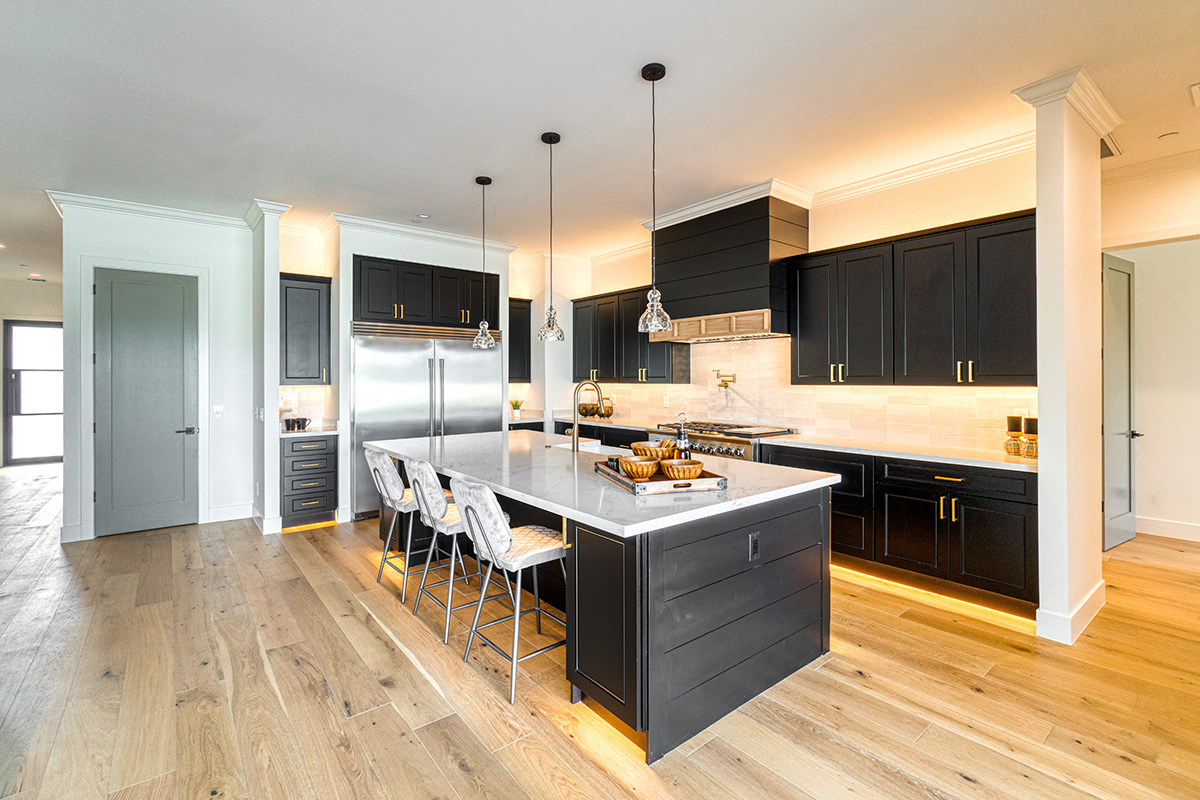
So you've decided to renovate the kitchen and bathroom.
You know exactly what you want — the benchtops, the appliances, the tiles and the layout. You've found a builder you can trust and, after a fair bit of back and forth, settled on a budget you can live with. Then the estimate lands.
Suddenly, there's new cabling for the induction hob, a switchboard that needs replacing, and a timeline that's stretched by four weeks. Nobody mentioned any of this when you were sorting out the design and the colour scheme!
It’s fair to say that the electrical side of a renovation catches more homeowners off guard than you think. We’re all more excited by a new layout and choosing a colour scheme, than the behind-the-scenes stuff, right?
Here's what's worth knowing before the work begins.
Whether you’re working with a builder or managing trades yourself, here are the electrical considerations that matter — and the questions worth asking before anyone picks up a hammer.
Start with upgrading your switchboard
Many older New Zealand homes — villas and bungalows especially — were originally wired with a single power feed never intended to support a modern kitchen. Induction cooktops, ovens, dishwashers, and even some coffee machines all draw significant current. An ageing switchboard often can’t keep up.
Upgrading before the renovation starts avoids the painful alternative: discovering the problem mid-project, after walls are lined and cabinetry is in. A modern switchboard with RCD protection also significantly improves your home’s electrical safety. Get it checked first.
Switching to an induction cooktop? Plan the wiring early
A kitchen renovation is the natural trigger point for moving from gas to induction — especially with the increasing cost of gas these days. They’re also faster, safer, and easier to clean. In older homes, that often means new cabling. Sort this out before cabinetry goes in, not after.
Worth knowing:
- There’s a requirement for the isolation switch: the distance from the edge of the unit and the maximum distance away from the unit.
- Many people are surprised to learn the switch cannot be hidden within a cabinet or pantry.
Is an induction cooktop right for you?
If you’re thinking about an induction cooktop, a little-known fact is that they can affect pacemakers through their magnetic fields. These can induce electrical currents in the pacemaker leads, known as ‘oversensing’, which can temporarily inhibit the pacemaker from operating effectively. Would a standard electric cooktop be the better option?
Power points, upgrading switches, and getting the code right
Bathroom power point placement is governed by strict NZ electrical safety zones. How close a power point or fitting can sit to the edge of the vanity, shower or bath — the IP rating and RCD protection requirements — is not guesswork. It’s code, and it requires a licensed electrician.
In kitchens, the priority is having enough points in the right places: above benchtops, near or on the island, and ideally with USB charging built in. It’s also the right moment to upgrade switchplate covers — swapping old cream plastic for brushed nickel or matte black costs little but makes a real visual and stylish difference.
Smart home automation — practical, not a gimmick
A renovation is the ideal time to build in smart control. Heated towel rails with Wi-Fi or timer controllers that warm up before your shower, and switch off automatically during the day, cutting running costs without any effort on your part.
Smart thermostats for underfloor heating work the same way — floors warm up when you need them, turn off when you don’t. Bathroom lighting on dimmers and smart switches can shift from bright task lighting in the morning to something softer in the evening. In the kitchen, zoned lighting above islands and under cabinetry can be controlled independently.
Have you ever thought about the midnight bathroom visit, turning the lights on can be blinding, how about some low-level sensor lights for a lower comfort level lighting? Enough to see by, yet not blinding.
None of this demands a full home automation system — individual smart components work on their own and expand over time.
Humidity fans, demisters, and layered lighting
Humidity-sensing fans are one of the most underrated bathroom upgrades available.
Rather than relying on someone to turn the fan on and leave it running for 20 minutes post-shower, a built-in humidistat does it automatically — and switches off once the moisture is gone.
Mirror demisters and LED mirror lighting are now a standard in well-finished bathrooms. They keep the mirror clear, improve the quality of light where you need it, and are a straightforward addition when planned as part of the renovation rather than an afterthought.
Still in the planning stage? Start at Grove Mitre 10 Onehunga
Before locking in any decisions, Mitre 10 Onehunga is worth a visit. Their kitchen, bathroom, and laundry displays let you walk through real layouts and see how different configurations feel — cabinetry, tapware, and fittings all in one place. They also offer a design planning service if you want help pulling a scheme together before approaching trades for quotes.
Knowing what products you’re working with before the electrician arrives makes the whole process more straightforward. We know exactly what’s going where — and the first-fix stage runs accordingly.
At No Shock Electrical, we work alongside builders, designers, and homeowners from the planning stage right through to sign-off. Get in touch — we’d love to talk through what your renovation needs before anyone starts pulling walls apart.


